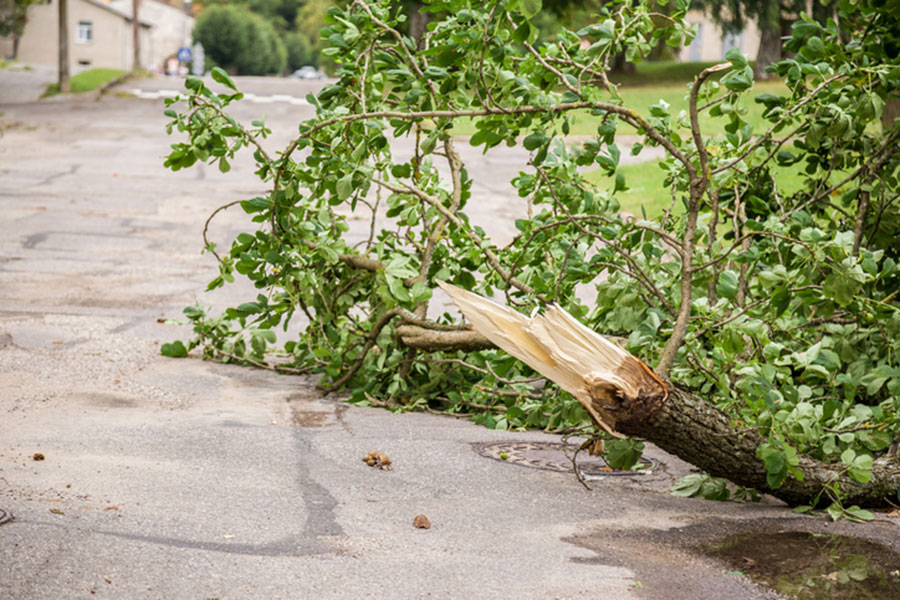
When a powerful storm rolls through your neighborhood, it can leave behind a path of destruction that includes fallen trees, broken branches, and damaged landscapes. For homeowners and property managers, dealing with the aftermath of storm-damaged trees is a daunting but necessary task. Knowing what steps to take immediately after a storm, how to assess the risks, and when to bring in professional help can make all the difference in protecting your property, ensuring safety, and helping your trees recover.
The first and most critical consideration after a storm is safety. Fallen trees and broken branches can pose serious risks, especially if they have brought down power lines or fallen onto structures. Never approach or touch a tree or branch that is in contact with electrical wires; always assume downed lines are live and extremely hazardous. If you see any situation involving electricity, call your utility company or emergency services right away. Keep children and pets away from the affected areas until it is confirmed safe.
Once you have made sure the area is secure and there are no immediate hazards from power lines or unstable structures, it is time to carefully assess the damage to your trees. Begin by walking through your property and visually inspecting each tree for broken branches, hanging limbs, split trunks, uprooted roots, or leaning trees. In some cases, storm damage may be obvious, such as a large branch on the ground or a tree that has fallen completely. In other cases, the extent of the injury might be less apparent, with cracks in the trunk or branches that remain attached but are weakened.
Documenting the damage is a smart next step, both for your records and for insurance purposes. Take clear photos of any fallen trees, damaged branches, or property impacted by the storm. This documentation will be valuable if you need to file an insurance claim or if you seek professional tree service assistance.
Understanding the Dangers of Removing Heavy Trees and Branches
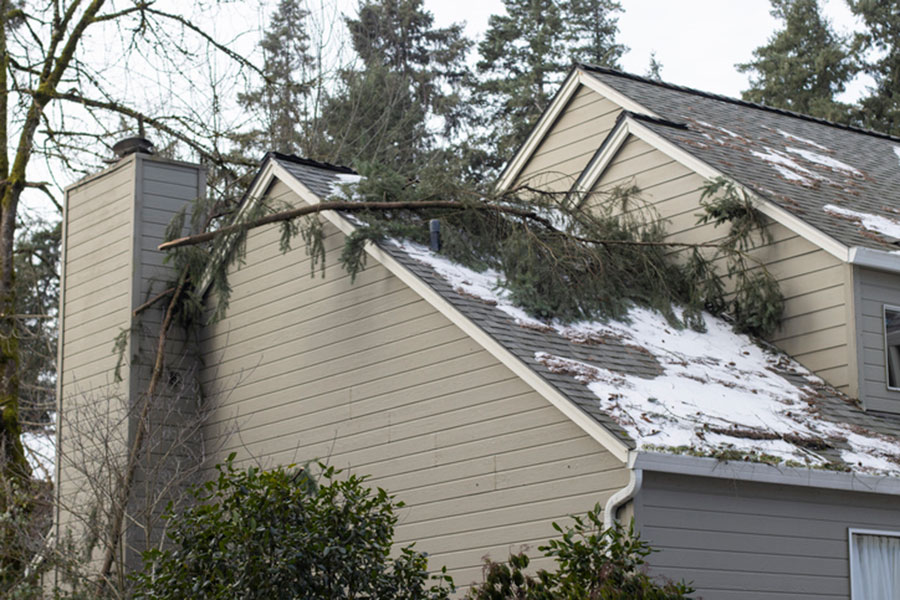
Many people may feel compelled to start cleaning up immediately, especially if there are branches blocking driveways, walkways, or entrances. While it is fine to move small branches and debris, it is important to avoid tackling large, heavy, or precariously positioned limbs yourself. Attempting to cut or move large branches without the proper equipment and training can lead to serious injury. Limbs that are bent, twisted, or under tension can snap back unexpectedly. Chainsaws and ladders introduce further risks if you are not an experienced professional. For anything more than light cleanup, it is always best to call a certified tree service or arborist.
If a tree or branch has fallen on your house, vehicle, or another structure, stay clear of the area and contact emergency services if there is any threat to safety. Once the situation is stable, reach out to your insurance provider to report the damage. Most homeowners’ insurance policies cover damage caused by falling trees, but coverage details can vary, so check your policy and ask your insurer for guidance on next steps.
Once the immediate hazards and large debris have been addressed, you can turn your attention to assessing which trees can be saved and which may need to be removed. Not all storm-damaged trees are lost causes. Many trees are surprisingly resilient and can recover from significant damage with the right care. Small broken branches can be pruned cleanly at the branch collar to help the tree heal and reduce the risk of disease. Trees that have lost a major limb but still have a healthy trunk and root system may survive, although their shape and appearance may be permanently altered.
On the other hand, trees with split trunks, major root damage, or that are leaning dangerously are often beyond saving and should be removed for safety. Uprooted trees rarely survive because their roots are severely compromised. Trees with more than half their branches broken or canopies lost are also unlikely to recover. A certified arborist can provide a professional assessment and recommend whether to save or remove a damaged tree.
Here’s Why Preventive Tree Care Is So Important
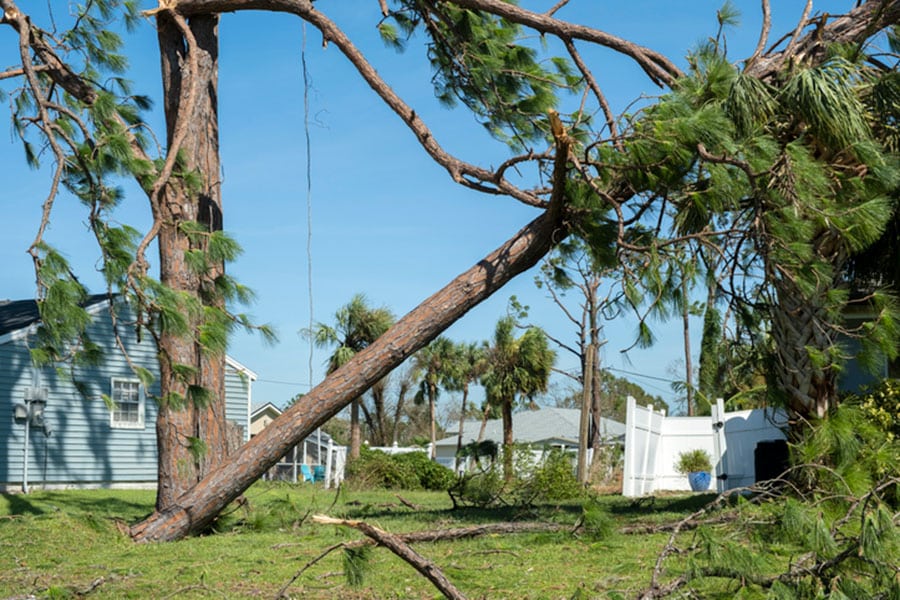
For salvageable trees, proper pruning and ongoing care are essential. Removing broken or splintered wood helps the tree focus its energy on healing. Avoid using wound dressings or paint, as these are generally unnecessary and can sometimes do more harm than good. Watering the tree during dry spells, applying mulch to protect the roots, and monitoring for signs of insect or disease infestation will aid in recovery. Be patient, as it can take several seasons for a tree to fully recover from storm trauma.
In the long term, preventive care is the best way to protect your property from future storm damage. Regularly inspect trees for dead or weak branches, signs of disease, or structural problems. Prune trees annually to remove hazards and promote strong structure. If you have large, mature trees near your home, consider consulting with a tree service about cabling or bracing to provide extra support. When planting new trees, choose wind-resistant species and avoid planting too close to buildings or power lines.
Finally, remember that trees are an important part of your landscape and ecosystem. While storm damage can be stressful, proactive care and expert help can preserve the beauty, value, and safety of your property for years to come. If you’re ever in doubt about how to handle a fallen or damaged tree, don’t hesitate to contact a professional tree service. Their experience and equipment can save you time, money, and the risk of injury, ensuring your trees and property recover as quickly and safely as possible.
Storms are unpredictable, but your response to tree damage doesn’t have to be. Act promptly, prioritize safety, and seek professional guidance when needed, and your landscape will weather the storm with resilience.