Tree Service in Detroit MI. Emergency Tree Service and More
Tree service in metro Detroit, MI, often starts with risk. Aging maples, storm-broken limbs, decay pockets, and tight clearances near roofs or utility lines can create serious hazards.
Metro Detroit Tree & Firewood assesses structure, defects, access, and work zones before trimming, removal, or stump grinding begins. Proper rigging, exclusion areas, and insurance matter in dense neighborhoods.
The next concern is knowing which tree problems require immediate action and which can be scheduled safely.
Main Takeaways
- Detroit tree services include trimming, emergency storm removal, stump grinding, debris hauling, and risk assessment for hazardous trees.
- Common hazards include dead limbs, trunk cracks, root heave, severe lean, decay, and branches near roofs or utility lines.
- Emergency crews handle fallen trees, split stems, uprooted root plates, hanging limbs, and line-contact hazards after storms.
- Tree service costs depend on tree size, species, condition, access, location, equipment needs, and overall risk level.
- Choose a tree company that uses safe rigging, exclusion zones, proper pruning cuts, and utility-aware removal planning.
Common Tree Problems In Detroit Yards
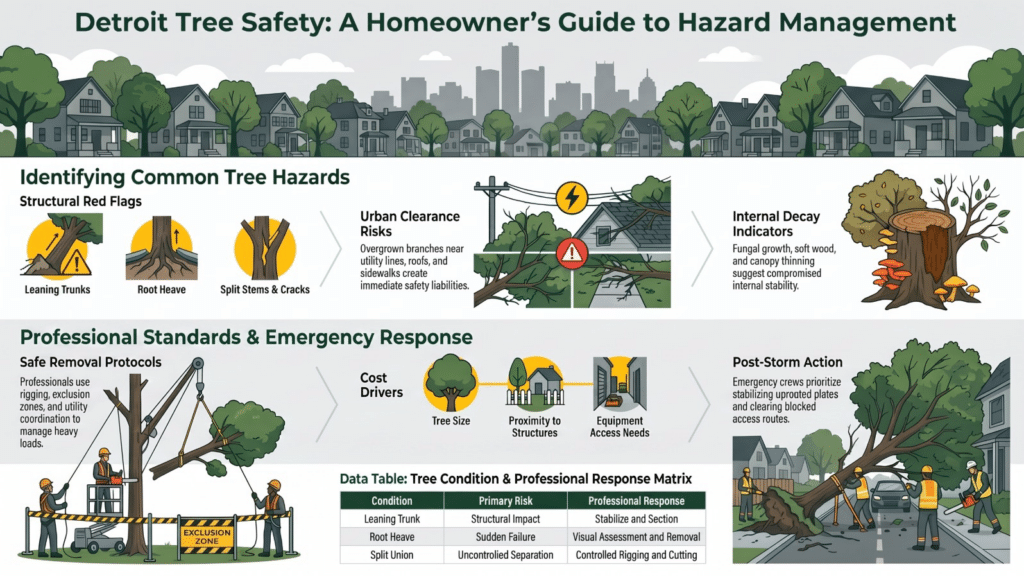
When Detroit yards contain aging maples, elms, oaks, or storm-stressed ornamentals, common tree problems often involve structural weakness, root damage, decay, pest activity, and disease pressure. In neighborhoods where mature canopies define shared streetscapes, early identification helps protect people, property, and tree health.
Defects may include bark, co-dominant stems, deadwood, trunk cavities, girdling roots, soil compaction, and poor clearance over roofs, sidewalks, garages, or service lines. Overgrown root systems can lift pavement, restrict drainage, damage foundations, or compete with turf and landscape plantings.
Pests and infestation may appear as boring holes, frass, leaf distortion, canopy thinning, sticky residue, or premature leaf drop. Fungal fruiting bodies, soft wood, bark separation, and chronic dieback may indicate internal decay or vascular disease.
Qualified assessment supports appropriate pruning, cabling, root-zone correction, treatment, or removal when risk exceeds acceptable limits for residents. Regular monitoring gives each property owner confidence in maintaining a safer yard.
Storm Damage Tree Service In Detroit
Storm damage tree service in Detroit addresses hazardous conditions through emergency tree removal, fallen limb cleanup, and structured storm risk assessment. Technicians evaluate tree stability, utility clearance, structural fractures, and access hazards before beginning controlled removal or debris operations.
Prompt response reduces the risk of injury, property damage, and secondary failures from compromised trees.
Emergency Tree Removal
How quickly can a compromised tree become a structural hazard after severe weather moves through Detroit? Emergency tree removal addresses unstable trunks, split stems, uprooted root plates, and trees contacting roofs, service lines, or access routes.
Crews apply safety precautions, establish exclusion zones, and use proper equipment to control weight, tension, and the direction of falls.
| Condition | Primary Risk | Response |
| Leaning trunk | Structural impact | Stabilize, section |
| Root heave | Sudden failure | Assess, remove |
| Split union | Uncontrolled separation | Rig, cut |
| Line contact | Electrocution | Utility coordination |
A qualified Detroit tree service evaluates load paths, wind exposure, decay, and site constraints before removal. This disciplined approach helps neighbors feel protected, keeps responders coordinated, and reduces secondary damage while restoring safe access after storms.
Fallen Limb Cleanup
Clear fallen limbs promptly to reduce trip hazards, roof loads, blocked driveways, and secondary branch failures after severe weather in Detroit. Crews typically isolate the work zone, inspect limb tension, and cut sections in controlled sequences to protect structures, utilities, and nearby residents.
- Splintered maple limbs resting across wet shingles
- Heavy oak sections pinned against a shared fence
- Brush piles gathered neatly beside the curb
Proper cleanup of fallen limbs includes separating clean wood, brush, and hazardous fragments for efficient Debris Hauling. When overgrown branches break in the wind or under ice, trained personnel use rigging, saws, and ground protection to prevent further property damage.
This coordinated response helps neighborhoods regain safe access while supporting a clean, orderly recovery standard that residents can trust after storms.
Storm Risk Assessment
After severe weather, a storm risk assessment identifies unstable trees, cracked unions, hanging limbs, root plate movement, and structural defects that could threaten homes, vehicles, sidewalks, or utility lines in Detroit. A qualified crew conducts tree inspection using visual assessment, sounding, canopy review, and soil observation to classify defects by likelihood of failure and target impact.
Findings support hazard mapping, marking priority zones for restricted access, pruning, cabling, removal, or monitoring. This process helps neighborhoods coordinate safe cleanup while reducing preventable injury and property loss. Crews document species, diameter, lean angle, wound condition, decay indicators, and clearance conflicts, creating a shared record for residents, insurers, and municipal partners.
Timely assessment keeps Detroit properties safer and supports collective recovery after wind, ice, and heavy rain events.
Emergency Tree Service After Detroit Storms
Emergency tree service after Detroit storms begins with a structured storm damage assessment to identify unstable trunks, fractured limbs, and utility hazards. Fallen tree removal requires controlled cutting, rigging, and site isolation to reduce the risk of injury and prevent secondary property damage. Emergency cleanup support restores safe access routes and removes debris while prioritizing the safety of workers, occupants, and the public.
Storm Damage Assessment
When severe weather moves through Detroit, a structured storm damage assessment helps identify unstable trees, hanging limbs, split trunks, uprooted root systems, and utility-related hazards before removal work begins. Crews evaluate load paths, lean direction, soil heaving, canopy weight, and proximity to homes, streets, and service lines.
This shared safety process supports neighborhoods that expect coordinated response, clear boundaries, and informed decisions during stressful conditions. Season timing matters because saturated spring soils, summer wind bursts, and ice-loaded winter crowns create different failure patterns. Emergency preparedness includes access planning, hazard marking, and communication with property owners and utilities.
- A cracked maple stem pressing toward a shared driveway
- Twisted limbs suspended above a fence line
- Exposed roots lifting wet Detroit soil
No cutting proceeds until risks are classified and controlled.
Fallen Tree Removal
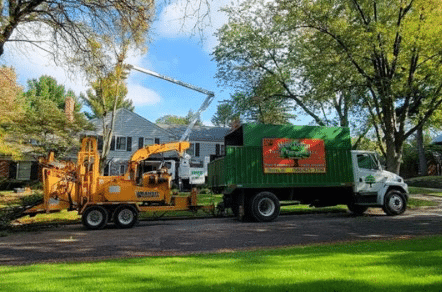
Once storm hazards are classified and controlled, fallen tree removal focuses on stabilizing the work zone, preventing secondary movement, and dismantling the tree in a controlled sequence. Crews assess load points, trunk tension, limb compression, and contact with roofs, fences, vehicles, or utility corridors before any cut is made.
Rigging, wedges, cranes, or sectional cutting may be used to manage weight and protect nearby property. In Detroit neighborhoods, coordinated approaches help residents feel protected, informed, and supported during hazardous materials handling. Exposed root plates are reviewed for soil displacement, tree root invasion, and related yard drainage issues that could affect foundations or walkways. Each removal step prioritizes exclusion zones, clear communication, and predictable movement, reducing risk without extending into general debris clearing or site cleanup.
Emergency Cleanup Support
After a fallen tree is stabilized or removed, cleanup support addresses remaining hazards that can obstruct access, conceal sharp debris, or create unsafe footing around the work zone. In Detroit neighborhoods, Emergency storm cleanup requires controlled sorting, cutting, staging, and hauling of debris to restore safe passage for residents, crews, and responders.
- Splintered limbs stacked away from sidewalks and shared driveways
- Wet leaves, bark, and sawdust were cleared from the slick pavement
- Broken branches removed from fences, yards, and curb lanes
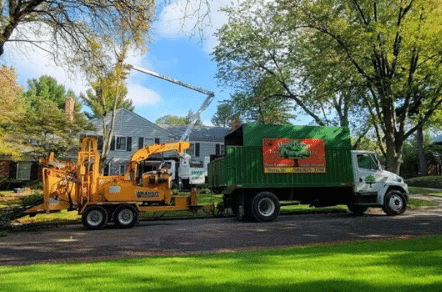
A rapid response team evaluates each immediate hazard before equipment moves through the site. Workers identify unstable wood, hidden metal, and downed service-line conflicts, then establish exclusion zones. Coordinated cleanup helps the community regain usable space while reducing the risks of trips, punctures, and secondary impacts after severe weather.
Signs A Tree Needs Safe Removal in Detroit
Although some defects appear minor from the ground, a tree may require safe removal if it shows structural failure, advanced decay, severe lean, major root damage, or large dead limbs over homes, driveways, sidewalks, or utility lines. In Detroit neighborhoods, these conditions can threaten shared spaces and nearby properties, so evaluation should focus on load paths, defect location, and probable failure zones.
Unsafe trunk cracks may indicate internal separation, especially when cracks extend through included bark, cavities, or old storm wounds. Root-lifting signs, such as raised soil plates, broken surface roots, or sudden ground heaving, can indicate loss of anchorage. Low-hanging branch hazards become essential when heavy limbs obstruct pedestrian areas, vehicles, roofs, or service drops.
Leaning tree risk factors include recent changes in angle, soil saturation, decay at the base, and tension cracks opposite the lean. When multiple indicators are present, removal planning should prioritize controlled rigging, exclusion zones, and resident protection.
Detroit Tree Trimming For Healthier Detroit Trees
Tree trimming supports healthier Detroit trees by removing dead branches that can cause damage and create hazards. Proper cuts improve tree structure, reduce weak limb attachments, and support safer load distribution. Targeted pruning also helps limit the spread of disease by isolating damaged or infected tissue.
Removing Dead Branches
Remove dead branches to reduce the risk of failure, improve canopy airflow, and limit the spread of decay in Detroit trees exposed to wind, ice, and urban stress. Qualified crews use branch inspection to identify brittle limbs, fungal seams, cavities, and hanging wood before cutting. Deadwood safety protects sidewalks, driveways, roofs, and shared neighborhood spaces.
- Gray limbs cracking above a snow-lined curb
- Hollow stubs near bark ridges after freeze-thaw cycles
- Suspended branches shifting over a backyard gate
Cuts are made outside the branch collar to support wound closure and avoid trunk injury. Workers establish drop zones, manage ropes, and monitor overhead utilities before removal begins. This careful approach helps residents maintain safer trees while contributing to a well-kept Detroit block. Regular removal reduces pests, moisture retention, and hidden hazards.
Improving Tree Structure
After deadwood hazards are addressed, structural trimming focuses on correcting weak attachments, crowded limbs, and unbalanced growth before they develop into larger failure points. Certified crews evaluate branch unions, including bark, canopy weight distribution, and clearance from roofs, streets, service lines, and shared neighborhood spaces. Selective reduction cuts can lessen end weight, improve load paths, and guide growth toward a stronger central framework. This reduces tree risk during wind, ice, and saturated soil conditions common across Detroit. Proper structure also helps young and mature trees coexist with sidewalks, vehicles, porches, and pedestrians without unnecessary removal. For communities invested in Detroit resilience, consistent structural care supports safer blocks, longer-lived canopy cover, and trees that remain dependable parts of the urban landscape. Pruning standards guide every cut.
Preventing Disease Spread
When decay, cankers, fungal growth, or pest activity appear in the canopy, targeted trimming can help limit the spread of disease through a Detroit tree. Crews assess branch unions, bark lesions, and dieback patterns before making cuts outside the branch collar. Disease prevention depends on pruning sanitation, controlled debris handling, and clean tool protocols between cuts.
- Amber sawdust near a bored limb signals the need for active insect control.
- Dark cankers along scaffold branches mark zones for pathogen management.
- Fresh, angled cuts expose sound wood while preserving protective tissue.
Removed material should be lowered safely, isolated from healthy wood, and disposed of according to site risk. This disciplined approach helps neighborhood trees remain stable, shared, and valued. Proper timing reduces stress, supports compartmentalization, and protects nearby trees from avoidable infection pathways.
Stump Grinding And Yard Cleanup Options
A professional stump grinding and yard cleanup plan addresses the remaining root crowns, surface hazards, wood debris, and soil disturbance that follow tree removal. In Detroit neighborhoods, this process helps restore shared outdoor spaces to stable, usable conditions.
Grinding equipment reduces the stump below grade while crews establish exclusion zones, check for utilities, and control chip discharge to protect people, vehicles, structures, and nearby plantings.
After grinding, technicians assess backfill needs, rake up loose chips, and level disturbed soil to reduce trip hazards and mower impacts. Coordinated debris removal may include hauling limbs, excess grindings, and contaminated material from diseased trees.
Where suitable, clean wood chips can support composting options or be reused as mulch in designated beds. Seasonal leaf hauling may also be combined with final cleanup to improve drainage and site appearance. A documented cleanup sequence supports safer access, clearer property boundaries, and a maintained landscape that fits the expectations of the surrounding community.
What Affects Tree Service Costs In Detroit?
Tree service costs in Detroit are influenced by tree size, species, structural condition, location, access limitations, and the level of risk involved in the work. Taller trees require additional rigging, controlled lowering, and longer crew time. Dense hardwoods may demand sharper tooling and heavier equipment than smaller ornamental trees.
Tree condition severity also affects pricing, especially when decay, storm fractures, dead limbs, or root instability increase hazards for workers and nearby properties.
Tree service pricing reflects tree size, condition, access challenges, equipment needs, and risk to nearby property.
- Large limbs suspended above garages, fences, or shared driveways
- Tight alleys where cranes, chippers, or bucket trucks have limited reach
- Decayed trunks requiring sectional removal to prevent sudden failure
Labor cost factors include crew size, certification level, climbing difficulty, traffic control, debris handling, and emergency response timing. Work near power lines, sidewalks, roofs, or neighboring yards often requires slower cuts and expanded exclusion zones. These precautions help protect residents, crews, and the surrounding Detroit community.
How To Choose A Detroit Tree Company
Cost is only one factor in selecting a Detroit tree company; contractor qualifications, safety controls, and equipment capability directly affect job outcome and property risk. Property owners should verify that contractors are licensed and insured, have current workers’ compensation coverage, and are in compliance with ANSI Z133 safety practices.
A qualified provider will perform a site assessment, identify utility conflicts, evaluate structural defects, and define controlled rigging, access, and debris-handling methods before work begins.
Detroit area experience is also important because crews familiar with local neighborhoods understand tight lots, alleys, overhead service lines, older structures, and municipal expectations. Written estimates should specify scope, disposal, stump work, traffic control, and responsibility for permits when required.
Professional companies maintain calibrated saws, aerial lifts, cranes, chippers, personal protective equipment, and communication protocols. Clear scheduling, incident planning, and respectful site protection help residents feel confident that their block, yard, and shared safety are being treated responsibly by a capable team.
Seasonal Tree Care Tips For Detroit Yards
Because Detroit experiences freeze-thaw cycles, heavy spring rain, summer heat, and occasional severe wind, seasonal tree care should focus on structural stability, root revitalization, and hazard reduction. Detroit yards benefit when residents follow seasonal pruning schedules, monitor canopy weight, and protect soil from compaction.
Crews assess co-dominant stems, cracked unions, deadwood, girdling roots, and drainage stress before corrective work begins.
- Mulch rings placed beyond trunks, like quiet shields over cold soil
- Cabling inspections after wind, with limbs held clear of roofs
- Deep watering zones beneath canopies during dry heat
Winter root protection includes maintaining organic mulch, avoiding salt accumulation, and limiting foot traffic over frozen root plates. Spring care emphasizes correcting drainage and removing storm-broken limbs. Summer inspections should identify wilt, pest activity, and heat stress. Autumn cleanup reduces fungal inoculum and prepares trees for dormancy. Consistent neighborhood care supports safer streets, healthier shade, and shared confidence outdoors.
Best Times To Schedule Tree Service In Detroit
After seasonal risks are identified, scheduling work at the correct time helps reduce structural failure, soil damage, and unnecessary stress on trees. In Detroit, Late winter pruning is often preferred for many dormant hardwoods because branch architecture is visible, pest activity is lower, and cuts can seal before peak growth. Work should pause during extreme cold, ice loading, or saturated soil to protect crews, turf, and root zones.
Early spring inspections help property owners and neighborhood associations detect frost cracks, girdling roots, storm fractures, decay pockets, and clearance conflicts before canopies leaf out. Summer service is best limited to hazard reduction, storm response, and selective pruning where live foliage confirms branch health. Fall is suitable for risk assessment, cabling review, and removal planning, but heavy pruning may stimulate vulnerable growth.
Coordinated scheduling supports safer streets, shared yards, and consistent care standards across Detroit communities while keeping equipment access, traffic control, and debris handling predictable.
Effective tree service in Detroit, MI, depends on accurate hazard assessment, controlled work methods, and qualified crews using proper safety standards.
Aging trees, storm damage, decay, clearance conflicts, and unstable limbs require timely inspection to reduce risk to structures, utilities, pedestrians, and vehicles.
Professional trimming, removal, cleanup, and stump grinding from Metro Detroit Tree & Firewood support safer, healthier yards when performed with rigging, exclusion zones, and utility checks.
Seasonal planning helps homeowners manage tree risks before severe weather creates emergency conditions.
Get Your FREE Quote Now From Our Tree Service In Detroit MI
To get a free quote by our owner on Wednesdays, Saturdays, or Sundays, contact us today at (586) 625-3398.